Moving in winter: cold, rain and snow guide
Why a winter move has its own advantages
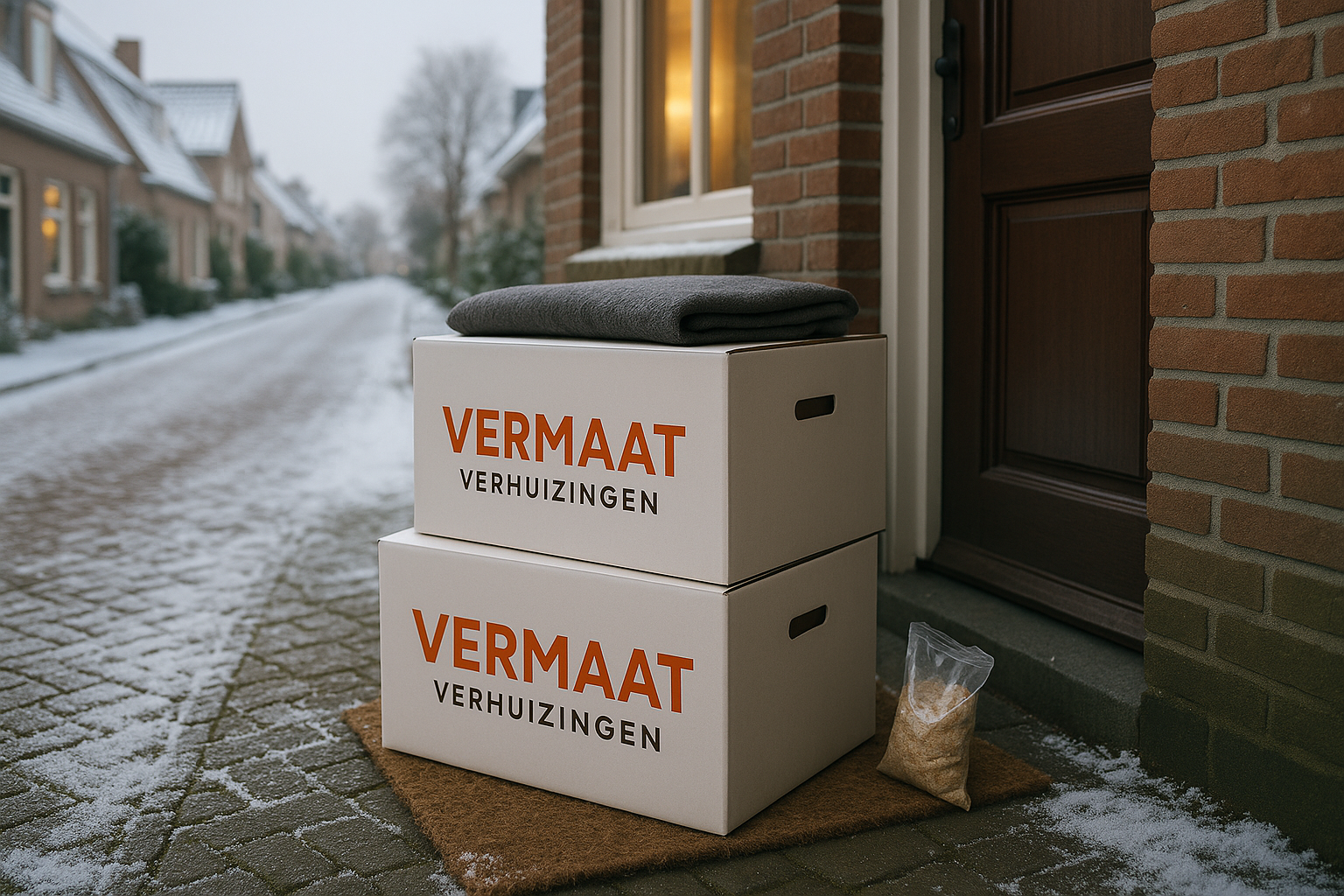
Moving in winter has a bad reputation, and partly unfairly. Yes, the weather can turn, but there are also advantages summer doesn't offer. Movers are less booked in winter, outside December and the first week of January you can often book a team a week in advance on your preferred date, while in summer you must plan six to eight weeks ahead. Rates are usually more favourable, because companies actively seek clients to keep teams employed. Rental markets are quieter in winter, so you have more choice and negotiating room. And it may sound counterintuitive, but physical labour in cooler weather is lighter than heavy lifting in summer heat, most professional movers say that a calm cloudy January day works more pleasantly than a sweltering July afternoon. The key is being realistic about the risks and preparing accordingly. With the right planning a winter move doesn't need to be a drama, it becomes a calm, sometimes even cosy event with the smell of coffee indoors and misty breath on the doorstep.
The three weather scenarios to plan for
A Dutch winter move can end in three scenarios, and you plan for all three. The most common is simply cold and overcast, perhaps with drizzle. This is workable, but calls for protection of floors and boxes against moisture. The second scenario is heavy rain or wet snow. Protection becomes critical here: wet cardboard tears easily, parquet and laminate take damage from mud and water, and goods in boxes can become damp. The third scenario is frost, dry snow or black ice. Physically the hardest: slippery pavements are dangerous for movers, ice can make parking spaces unusable for the van, and some furniture (especially solid wood and wooden legs) can creak or crack going straight from a warm home to a cold outside and back. For each scenario you have a minimum kit: a stock of old blankets, plastic floor covering or stretch film for floor protection, a few bags of grit salt, an extra set of boxes for emergencies and a place where the van can stand dry and stable. Check the forecast three days before move day and discuss with your mover what to do if the weather is extreme, for example a heavy-snow warning. A good mover has a contingency policy and can postpone you a day or two if that's safer.
Preparing the home for winter conditions
For a winter move, both old and new homes need different prep than in summer. Start with the walking routes. On the day, salt the pavement and path to your front door, and the same at the new place. A slippery pavement is the biggest safety risk of a winter move. Lay floor protection on both addresses' routes: old sheets or blankets work well and are kinder to the environment than plastic. Keep heating at the old address normal until the last mover leaves, a house that gets too cold with open doors is unpleasant for the movers and unsafe for some items. At the new home turn the heating on two to three hours before arrival so the indoor climate is up to temperature. Important: ensure your new home has energy. Nothing is more annoying than arriving on move day and discovering the gas connection isn't live and the boiler can't fire. Call your energy supplier at least two weeks in advance to confirm. If the home has stood empty, check the pipes for ice, during prolonged frost pipes can freeze and burst. A quick check with a plumber is cheaper than a leak on the first day.
Belongings that need extra care in cold
Some items are extra fragile in cold temperatures. Electronics are the most important: laptops, monitors, TVs and especially LCD or OLED screens can crack or suffer pixel damage when going from a warm room to a cold van and back to warmth, condensation inside the casing can cause short circuits. Pack electronics in extra-thick insulating material, or transport them yourself in your car with the heater on. Always let electronics acclimatise at room temperature for at least four hours before turning them on, however tempting it is to check immediately. Liquids are a second category: cast iron, cleaning products, paint and cosmetics can freeze and expand, leading to broken bottles and leaks. Pack these separately and transport them in your car, not in an unheated van. Plants are extremely sensitive (see our houseplants article), carry them in your heated car. Food from fridge and freezer goes in cool bags with ice packs, paradoxically you must insulate against the outside cold but also warmth on a long ride. Wine, perfume and candles are extra sensitive to temperature swings and also want your own car. Plan for a small "warm load" that you drive yourself alongside what the van carries.
On moving day: light, time and flexibility
In Dutch winter, daylight is scarce: roughly half past eight in the morning until half past four in the afternoon. That's eight hours of efficient working light, with dark and wet before and after. Plan your move so the heavy lifting falls within that window. Start on time, don't go too early in the morning when it's still dark and cold, waiting until light is safer and faster. Bear in mind that everything takes about twenty per cent longer than in summer: heavier clothing slows movers, slippery spots demand caution, and more frequent breaks for hot drinks are normal. Book a generous day, not a tight one. Provide an indoor drying corner where movers can hang wet jackets or change wet shoes. A big pot of coffee or tea always brewing is a small gesture that keeps spirits up and pays off in working availability. Be flexible with your timing: in real cold movers stay outside in shorter spells and break more often, that's not laziness, it's safe working. And finally: if conditions become so extreme that continuing is unsafe, accept that a second day may be needed. A good mover will say so honestly; you only need to say yes to the sensible decision.
About Vermaat Verhuizingen
Vermaat Verhuizingen relocates private clients and businesses across the Netherlands. Our articles are written from practical knowledge of the moving trade, from narrow Amsterdam staircases to international moves. More about us →
Ready to move? We'll take care of it
Request a free moving quote and discover how we handle your relocation from A to Z. Personal, professional and fully insured.
Request a quote