Moving with pets: tips for a stress-free move
Why moving is stressful for pets
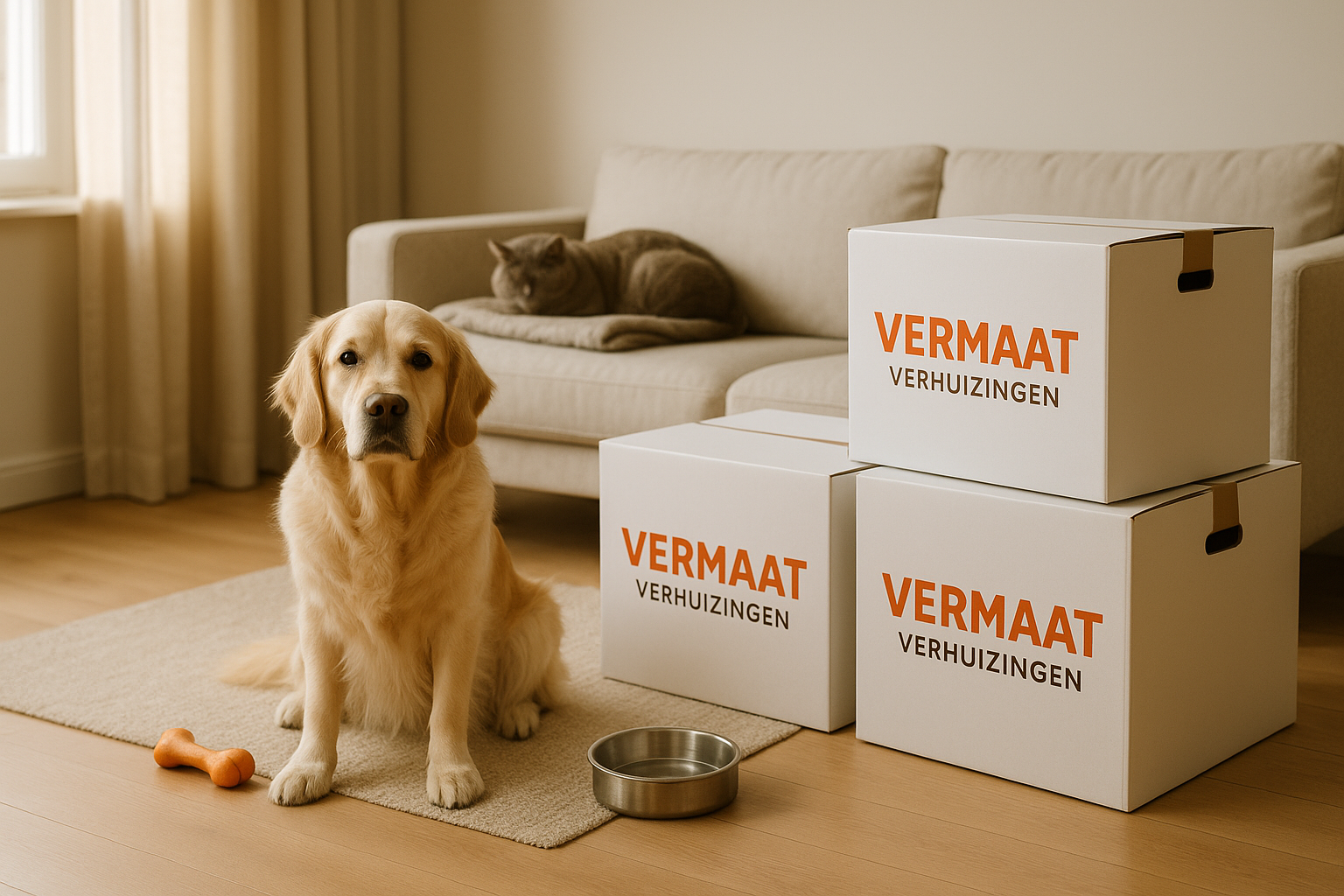
Pets are creatures of habit. They attach to their territory, fixed routines and familiar scents. A move disrupts all these anchors simultaneously: the familiar environment disappears, there are strange sounds and scents, and the daily routine is completely disrupted. This can lead to anxiety, restlessness, reduced appetite or even behavioural problems. Cats are particularly sensitive to changes in their environment, while dogs primarily react to their owner's stress. Small animals like rabbits and guinea pigs can literally become ill from stress. By being aware of this impact and taking precautions, you can make the move much more bearable for your pet. A calm, well-prepared approach makes the difference between a traumatic experience and a smooth transition.
Preparation: weeks before the move
Start preparing well in advance. Let your pet get used to the travel carrier or transport box by placing it open in the house weeks beforehand with a familiar blanket inside. For dogs: if possible, take walks in the new neighbourhood so the surroundings become familiar. Ask your vet for advice, especially if your pet is sensitive to stress, there are mild sedatives and pheromone sprays that can help. Arrange a new vet in your new area in time and request the medical file. Check the pet rules of your new home: some rental properties have restrictions. Ensure the chip registration and address at the animal registry are up to date. Prepare a separate bag with everything your pet needs on moving day: food, water, medication, toy, leash and poop bags.
On moving day: calm and safety
Moving day itself is the most hectic and therefore the most stressful for your pet. The best solution is to have your pet stay elsewhere on moving day: with family, friends or a pet hotel. If that's not possible, place your pet in a quiet, closed room that will be emptied last. Place the transport box, water, food and familiar items there. Put a note on the door so movers know to skip this room. Avoid letting your pet roam freely between open doors and busy mover traffic. With cats, it's especially important not to let them roam free, a frightened cat in an unfamiliar environment can flee and get lost. Keep the daily routine as intact as possible: feed at the usual times and offer reassurance.
Adjusting to the new home
After the move, your pet needs time to adjust. Start with one room as a home base and gradually expand. Place familiar items such as the bed, toys and blankets in strategic spots. For cats: keep them indoors for at least two weeks before letting them outside, they need to know their new territory from the inside first. Cats orient strongly by scent; rub a cloth along their cheeks and wipe it on door frames and furniture to make the environment familiar. Dogs usually adjust faster but need fixed walking routes and consistent routines. Watch for signs of stress: excessive licking, hiding, not eating or inappropriate elimination. Give extra attention and patience, but don't overdo it, too much comfort can reinforce anxiety. If problems persist, consult an animal behaviour therapist.
About Vermaat Verhuizingen
Vermaat Verhuizingen relocates private clients and businesses across the Netherlands. Our articles are written from practical knowledge of the moving trade, from narrow Amsterdam staircases to international moves. More about us →
Ready to move? We'll take care of it
Request a free moving quote and discover how we handle your relocation from A to Z. Personal, professional and fully insured.
Request a quote