Moving antiques and art: protection for the irreplaceable
Why antiques and art are never treated as regular contents
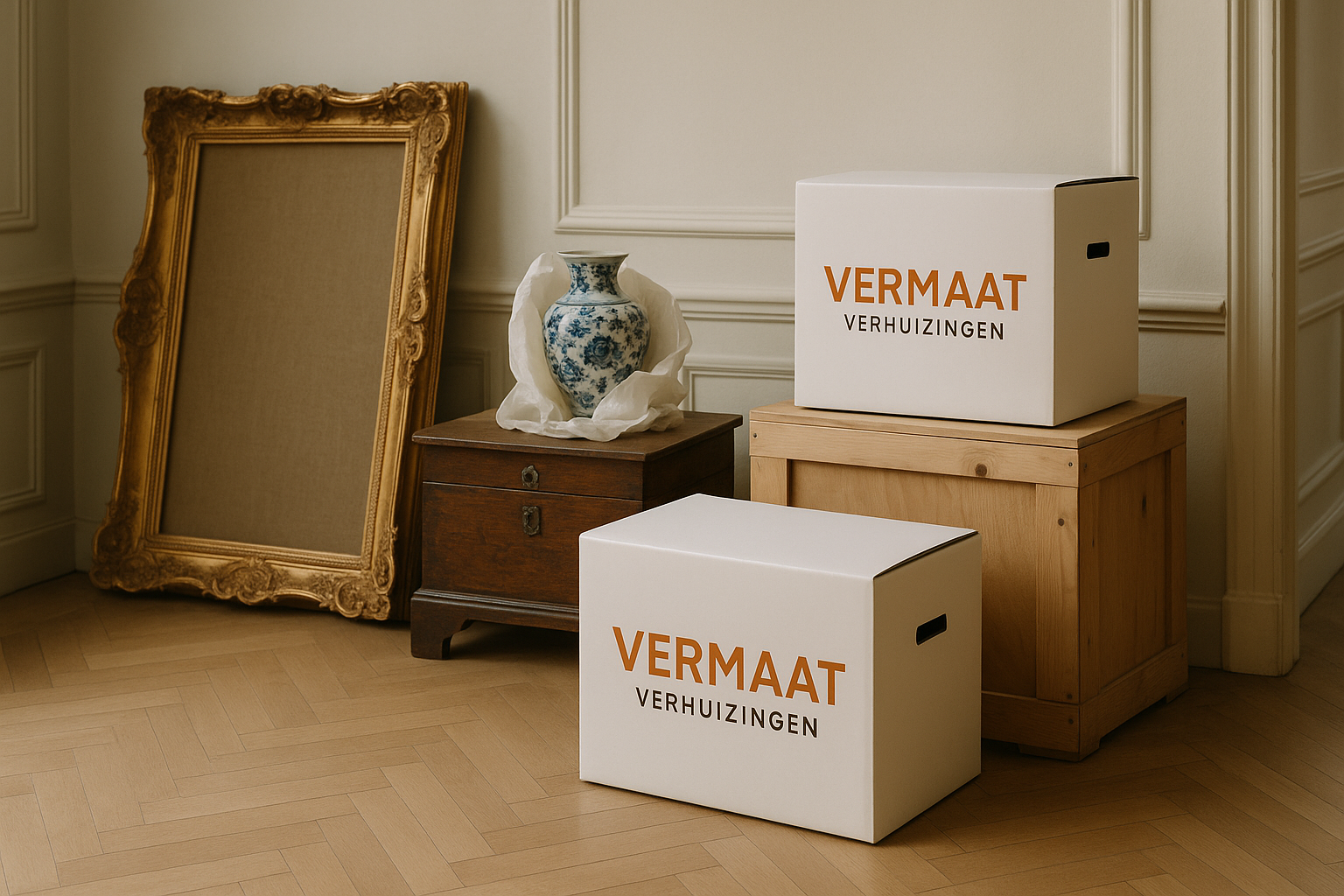
To an insurer a twenty-year-old Chesterfield is a piece of furniture; to a collector that same piece is an investment of thousands of euros that can never be replaced in the same condition. The same goes for a watercolour by a local painter, a seventeenth-century wooden chest or a porcelain collection built over generations. With ordinary furniture, damage means repair or replacement, with antiques and art that's almost always impossible. A Dutch Louis XVI secretary that gets a scratch loses not just visual appeal but ten to thirty per cent of its value. A painting that bends during transport cannot be restored without visible restoration that halves its market value. On top of that is emotional value: a family heirloom whose last owner was your grandmother demands a kind of care no price tag covers. The combination of financial, historical and emotional value makes antiques and art the most delicate category of any move. A generic moving company that says "no problem, we'll handle it" is not the right partner. Specialist work demands a specialist, and the difference lies in preparation, materials, experience and coverage, not in good intentions.
Inventory and appraisal before the move
Before a professional mover even touches one antique, there must be a complete inventory. Do this preferably months before the move. Walk through your home with a notebook or spreadsheet and list every valuable object: type, estimated age or provenance, existing damage, any external appraisal you have. Take at least four photos of each piece: front, back, a detail shot and a photo of any damage. Store these digitally and on paper, in a damage claim the photo material is essential. For pieces above a certain value, as a rule of thumb: anything that can't be easily replaced if lost or damaged, I recommend a formal appraisal by a certified valuer. This costs money, but the report becomes your anchor for insurance and any damage disputes. The valuer looks not only at market value but also replacement value (the price to buy a comparable piece) and restoration value (what it costs to repair damage). For paintings and rare furniture this difference is significant. Keep the appraisal report safely apart from the move, not in a box going with the van. A cloud copy is a sensible additional safeguard.
Packing: materials and techniques
Packing materials for antiques and art are fundamentally different from standard moving supplies. Never use newsprint directly on surfaces, the ink transfers onto polished wood, marble and old paint layers. Use acid-free wrapping paper, sometimes called "art paper", instead. For paintings a wooden or sturdy cardboard art crate is standard. The painting is first protected with a layer of glassine (a smooth, grease-repellent paper), then bubble wrap with the bumps facing outward (never toward the canvas), and then a crate sized to the work's dimensions. For furniture: cover any brass or bronze components with acid-free paper and tie them down, loose hardware can cause scratches. Wrap furniture in thick mover's blankets, not plastic, plastic traps moisture and on long transports can lead to black-spotted wood. Disassemble only what can come apart safely: bolts and crosshead joints on antique furniture are often original and must be handled gently, and not every modern tool works on old screw heads. A specialist knows the difference. For porcelain and glass: use specialised double-walled boxes with cross-divider inserts. Wrap each item in acid-free paper and stand it upright, not flat. Fill empty space with more wrapping paper, the box must absolutely not move at all when shaken.
Transport, climate and the right insurance
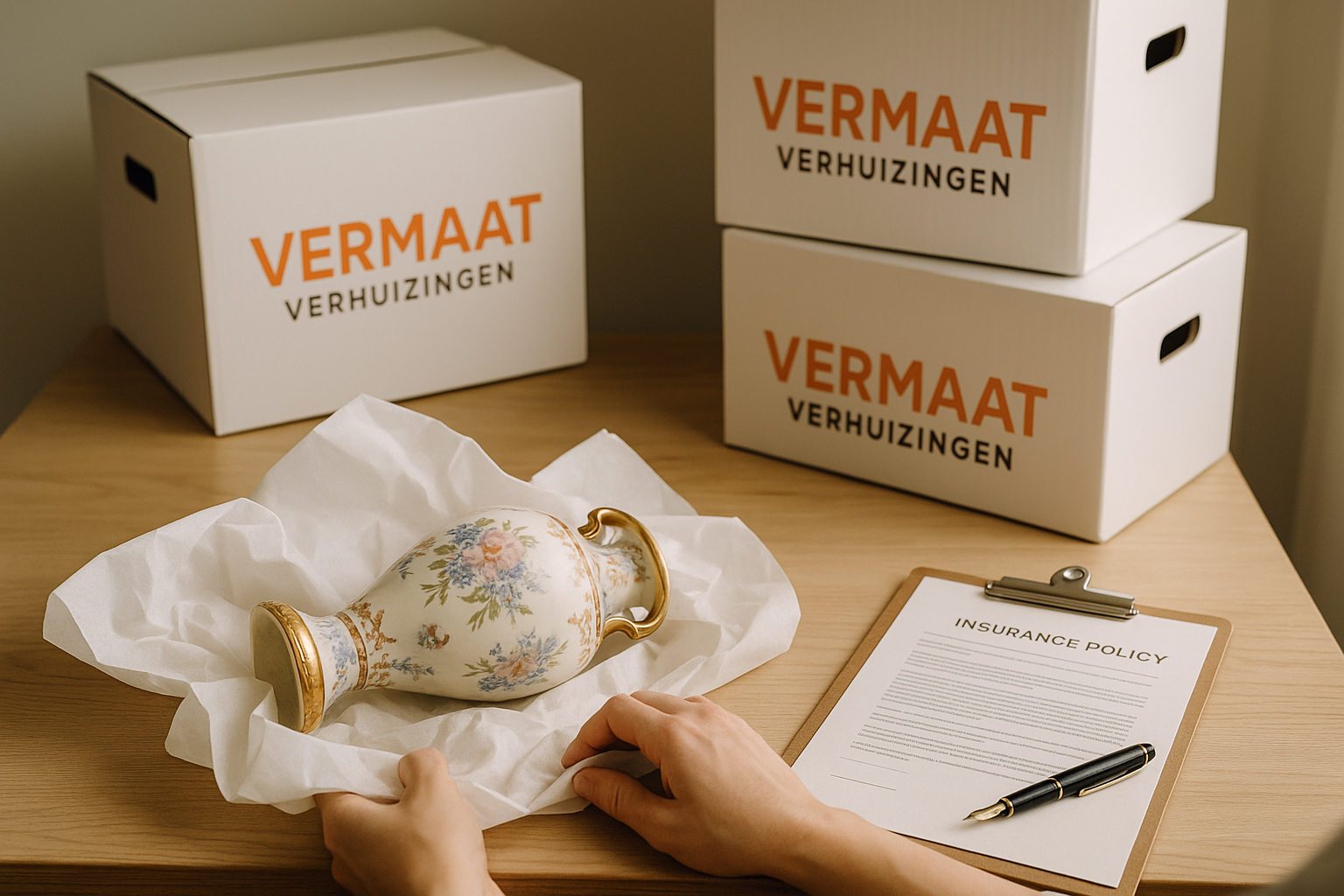
The van carrying antiques and art should be climate-controlled. Standard moving vans can reach twenty-five or thirty degrees in summer, and well below zero in winter, both extremes cause damage to old glue joints, paintings on canvas and gilded frames. A specialist art mover drives a cooled or heated van that maintains constant temperature and humidity. For a short Dutch trip in mild weather that's less critical, but for big temperature swings or a multi-day move it really matters. The van is loaded by a specific scheme: heavy stable furniture at the bottom, lighter and more fragile items above, paintings standing upright against the wall with the image side inward. Nothing stacks on a painting, and nothing slides under hard braking. On insurance: ask whether your standard moving insurance covers antiques and art, and be realistic. Many policies have a per-item limit far below the true value of a serious antique or art collection. For valuable pieces take out additional fine-art insurance or an all-risk rider based on the appraisal. Keep the original appraisal, photo documentation and inventory list separate during and immediately after the move. On arrival inspect every piece before the mover leaves and note any deviations immediately on a signed receipt, waiting until the next day is a common mistake that complicates damage claims.
Special objects: paintings, sculptures, chandeliers
Some objects deserve their own approach. Paintings are most sensitive: the combination of frame, canvas and paint layer makes each painting a fragile sandwich. Always transport a painting upright, never flat, and never stacked on other paintings. For large oil-on-canvas: let a specialist judge whether the work should stay stretched on its panel or whether rolling on a large drum is safer, both have pros and cons. Sculptures have a different problem: weight and balance. A bronze of several thousand kilos requires a hoist and well-anchored transport. Marble or stone sculptures are extra fragile to impact, a fall of a few centimetres can mean a broken finger or arm, and on old pieces repair is almost always visible. Chandeliers are usually disassembled into parts: crystal prisms separately in foam, frame in blankets, electrical parts loose. A craftsman handles the disassembly with a photo report showing how everything reassembles at the destination. Books and parchment documents seem simple but are sensitive to moisture and light damage, pack them in acid-free paper and acid-free boxes, and don't place them by a window at the new home. Mirrors get treated as art: double protection, upright transport, in a separate spot in the van. For every unique or valuable object the rule is: ask the specialist how they'd handle it, and accept that a good move of these is never cheap, but dramatically cheaper than irreversible damage.
About Vermaat Verhuizingen
Vermaat Verhuizingen relocates private clients and businesses across the Netherlands. Our articles are written from practical knowledge of the moving trade, from narrow Amsterdam staircases to international moves. More about us →
Ready to move? We'll take care of it
Request a free moving quote and discover how we handle your relocation from A to Z. Personal, professional and fully insured.
Request a quote